
AUDITS

FIRE & SAFETY AUDIT

Fire & Safety Audit of installed systems like fire & smoke alarm, fire hydrant, fire sprinklers, fire pump house, clean agent fire suppression systems, passive fire protection systems. Audits give you clarity in identifying hazards and if your systems can meet a requirement of a fire eventuality. We do pre fire and post fire audit and also do root cause analysis of fire.We conduct fire audits for residential & commercial buildings, industrial plants of any kind, banks, financial institutions, insurance companies, warehouses, hospitals, educational institutions, marine terminals, shipping vessels, agrochemical companies, pharmaceutical companies government and private offices, offshore platforms, refineries, cement plants, steel plants & power plants. We also guide Real Estate departments of foreign multinationals prior to occupying or leasing of premises if the premises are safe from fire and life safety perspective and have legal compliance.


GAS & SOLVENT AUDIT

Gas & Solvent Audit which can be a hazard in a factory, hospital, hotel, gas terminal, LPG bottling plants, LNG terminals, Gas manufacturing & filling facilities, Refineries, Petrochemical Complexes, Gas Based Power Plants.


ELECTRICAL & POWER QUALITY AUDIT

Electrical & Power Quality Audits covering LT/HT Substations, Load centers, Main Power Transformers & Switchyards, Distribution & Transmission Centers, Captive Power Plants, Thermal Power Plants, Power Quality issues like Voltage Sags, Swells, Harmonics, Unbalance, Flicker etc, Lightning Arrestor & Earthing analysis we recommend that fire & electrical audit be done together as root cause of 90% of fires is electrical short circuits.


PHYSICAL SECURITY AUDIT

Security Audit of Physical Security Systems like adequacy of CCTV surveillance, Access Control, Intrusion detection systems, Metal detectors, X ray Imaging Systems, for Government buildings, Housing Societies, Industrial Plants


HAZOP STUDY

HAZOPS, HAZIDS, QRA, SIL Studies, Preparing Disaster Management Plans as per DMS Act


AREA CLASSIFICATION FOR HAZARDOUS AREAS AUDIT

Area Classification Audit for Hazardous areas in Industrial Plants for combustible, flammable gases, solvents and powder dusts


FIRE & SAFETY AUDIT

Fire & Safety Audit of installed systems like fire & smoke alarm, fire hydrant, fire sprinklers, fire pump house, clean agent fire suppression systems, passive fire protection systems. Audits give you clarity in identifying hazards and if your systems can meet a requirement of a fire eventuality. We do pre fire and post fire audit and also do root cause analysis of fire.We conduct fire audits for residential & commercial buildings, industrial plants of any kind, banks, financial institutions, insurance companies, warehouses, hospitals, educational institutions, marine terminals, shipping vessels, agrochemical companies, pharmaceutical companies government and private offices, offshore platforms, refineries, cement plants, steel plants & power plants. We also guide Real Estate departments of foreign multinationals prior to occupying or leasing of premises if the premises are safe from fire and life safety perspective and have legal compliance.


GAS & SOLVENT AUDIT

Gas & Solvent Audit which can be a hazard in a factory, hospital, hotel, gas terminal, LPG bottling plants, LNG terminals, Gas manufacturing & filling facilities, Refineries, Petrochemical Complexes, Gas Based Power Plants.


ELECTRICAL & POWER QUALITY AUDIT

Electrical & Power Quality Audits covering LT/HT Substations, Load centers, Main Power Transformers & Switchyards, Distribution & Transmission Centers, Captive Power Plants, Thermal Power Plants, Power Quality issues like Voltage Sags, Swells, Harmonics, Unbalance, Flicker etc, Lightning Arrestor & Earthing analysis we recommend that fire & electrical audit be done together as root cause of 90% of fires is electrical short circuits.


PHYSICAL SECURITY AUDIT

Security Audit of Physical Security Systems like adequacy of CCTV surveillance, Access Control, Intrusion detection systems, Metal detectors, X ray Imaging Systems, for Government buildings, Housing Societies, Industrial Plants


HAZOP STUDY

HAZOPS, HAZIDS, QRA, SIL Studies, Preparing Disaster Management Plans as per DMS Act


AREA CLASSIFICATION FOR HAZARDOUS AREAS AUDIT

Area Classification Audit for Hazardous areas in Industrial Plants for combustible, flammable gases, solvents and powder dusts


ROAD SAFETY SURVEY & TRAFFIC MANAGEMENT PLAN

ROAD SAFETY SURVEY & TRAFFIC MANAGEMENT PLAN


Why Road Safety Audits / Survey?


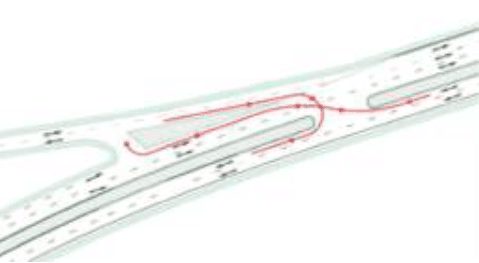
A road safety audit is “a formal, systematic and detailed examination of a road project by an independent and qualified team of auditors that leads to a report of the potential safety concerns in the project.” A formal examination of design would not permit a layout shown below causing unsafe and illegitimate movement. Such potential unsafe situations would be captured in a safety audit and can be modified before implementation.

It is a formal examination because the audit follows a set process that leads to a formal report which then becomes a part of the record of the whole road project. It is a detailed examination that requires time, knowledge, skill, judgment, depth and detail


Why Road Safety Audits / Survey?


A road safety audit is “a formal, systematic and detailed examination of a road project by an independent and qualified team of auditors that leads to a report of the potential safety concerns in the project.” A formal examination of design would not permit a layout shown below causing unsafe and illegitimate movement. Such potential unsafe situations would be captured in a safety audit and can be modified before implementation.

It is a formal examination because the audit follows a set process that leads to a formal report which then becomes a part of the record of the whole road project. It is a detailed examination that requires time, knowledge, skill, judgment, depth and detail

Main Aim & Objectives of Road Safety  Surveys:


 The main aim &  objective of road safety survey  is to minimize the risk of crashes occurring on an existing road or a new road project and to minimize the severity of any crashes that do occur or are likely to occur.
- To minimize the risk of crashes occurring on adjacent roads (especially at intersections).
- To recognize the importance of safety in road design so that the needs and perceptions of all road users are met, and to achieve a balance between needs where they may be in conflict.
- To reduce the long term costs of a new road project, bearing in mind that unsafe
designs may be expensive (or at times even impossible) to correct at a later stage.
- To enhance the awareness of road safety engineering principles by all involved in the process of planning, designing, constructing, operating, managing and maintaining roads and highways.
- To advance the awareness of providing safe road schemes for non-motorized as well as motorized road users.

Physical Inspection

Inspect existing road infrastructure and support facilities.

Assess vehicle population and movement patterns, including:

Peak traffic hours.

Types of vehicles (trailers, heavy vehicles, light vehicles, two-wheelers).

Pedestrian movement at critical sections and intersections.


Preliminary  Risk Assessment

Conduct discussions with core team members to:

Understand current traffic conditions.

Identify bottlenecks and operational challenges.

Suggest practical alternatives for improvement.
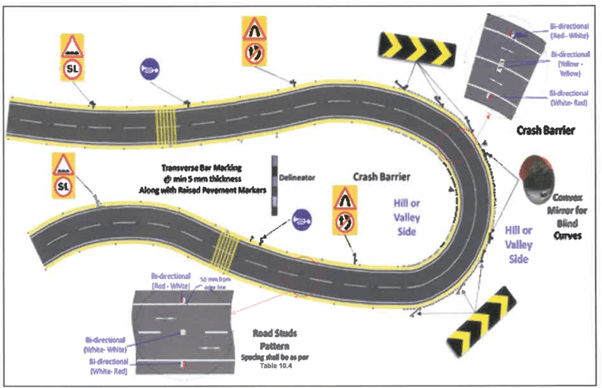
Physical Inspection

Inspect existing road infrastructure and support facilities.

Assess vehicle population and movement patterns, including:

Peak traffic hours.

Types of vehicles (trailers, heavy vehicles, light vehicles, two-wheelers).

Pedestrian movement at critical sections and intersections.


Traffic Flow & Safety Analysis
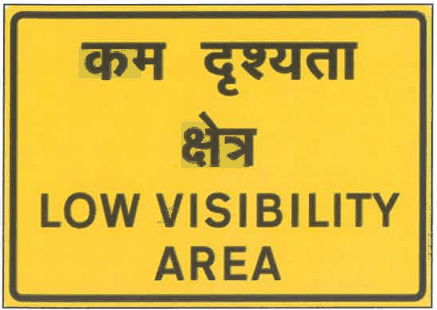
Evaluate current traffic movement and identify hazards.

Explore segregation of man–machine movement to reduce risks.

Check availability and condition of:

Traffic signals, displays, speed breakers.

Road surface quality and interruptions.

Recommend traffic furniture as per requirements.

Safety Features & Compliance

Plan and recommend installation of:

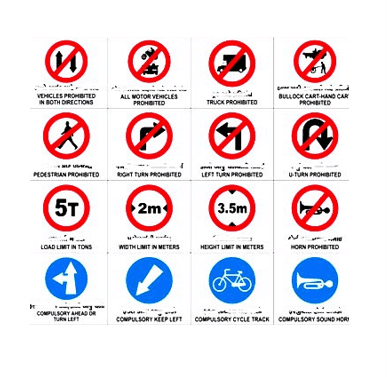
Road markings, sign boards, delineators, chevrons.

Traffic control devices and other safety features.

Review “as-built drawings” for roads and intersections.

Verify compliance with IRC standards for roads and intersections.
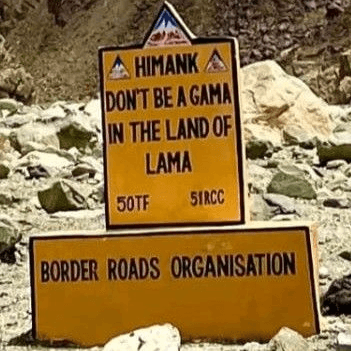
Risk Identification

Identify existing black spots and potential future risk zones.

Provide mitigation strategies for these areas.


Facilities & Amenities

Review requirements for:

Truck/Bus stops/shelters.

Truck lay-byes, rest areas, and other facilities.

Ensure compliance with standard guidelines.
Illumination & Visibility

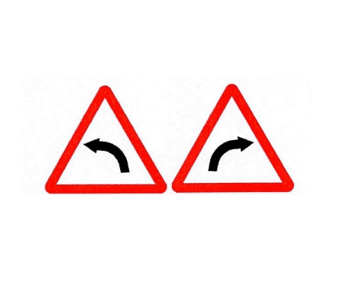
Evaluate lighting levels at key locations.

Suggest improvements for visibility and safety.
Parking Management

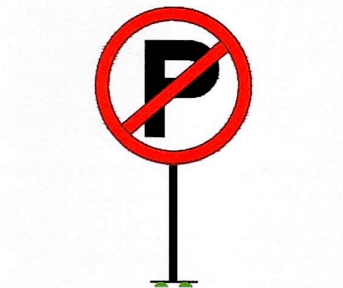
Assess parking space capacity and location suitability.

Recommend measures to:

Reduce accidents.

Improve driver efficiency.

Recommendations

Short-term and long-term solutions for:

Traffic management.

Infrastructure improvements.

Safety enhancements.

Road Safety Plan
Deliverables

Detailed report with observations, analysis, and recommendations.

Layout plans for proposed improvements.

Compliance checklist with IRC standards.

Risk mitigation plan for black spots. Preparation of Road Safety Plan

Feature title.

Feature title.

Feature title.

Feature description.

Feature description.

Feature title.

Feature title.

Feature title.

Feature description.

Feature description.

Feature title.

Feature title.

Feature title.

Feature description.

Feature description.

Ready to transform your business?

info@safetysecurity.instrumentation.com

+91 9867696341 I +91 9821135164

Ready to transform your business?

info@safetysecurity.instrumentation.com

+91 9867696341 I +91 9821135164

Ready to transform your business?

info@safetysecurity.instrumentation.com

+91 9867696341 I +91 9821135164

Landing Page.

Simple, bold.

Landing Page.

Simple, bold.