Road Safety Survey & Traffic Management Plan
Preliminary Risk Assessment
Conduct discussions with core team members to:
Understand current traffic conditions.
Identify bottlenecks and operational challenges.
Suggest practical alternatives for improvement.

Physical Inspection
Inspect existing road infrastructure and support facilities.
Assess vehicle population and movement patterns, including:
Peak traffic hours.
Types of vehicles (trailers, heavy vehicles, light vehicles, two-wheelers).
Pedestrian movement at critical sections and intersections.
Traffic Flow & Safety Analysis
Evaluate current traffic movement and identify hazards.
Explore segregation of man–machine movement to reduce risks.
Check availability and condition of:
Traffic signals, displays, speed breakers.
Road surface quality and interruptions.
Recommend traffic furniture as per requirements.
Safety Features & Compliance
Plan and recommend installation of:
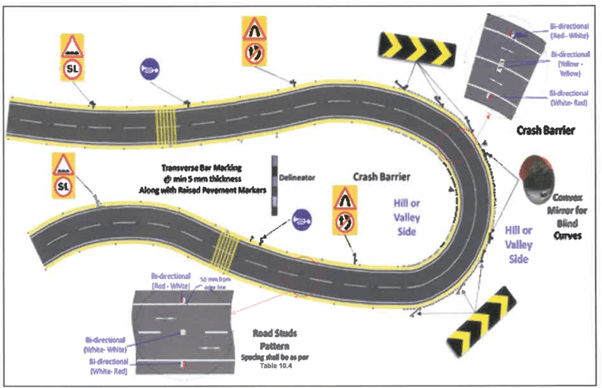
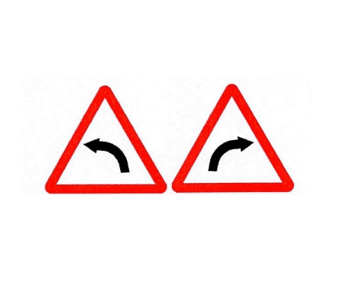
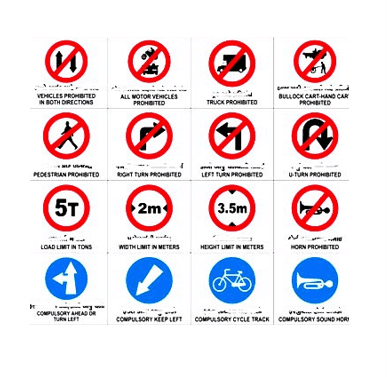
Road markings, sign boards, delineators, chevrons.
Traffic control devices and other safety features.
Review “as-built drawings” for roads and intersections.
Verify compliance with IRC standards for roads and intersections.

Risk Identification
Identify existing black spots and potential future risk zones.
Provide mitigation strategies for these areas.
Facilities & Amenities
Review requirements for:
Truck/Bus stops/shelters.
Truck lay-byes, rest areas, and other facilities.
Ensure compliance with standard guidelines.
Illumination & Visibility
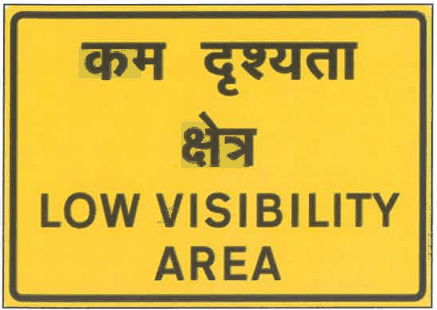
Evaluate lighting levels at key locations.
Suggest improvements for visibility and safety.
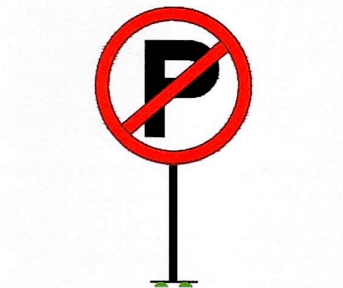

Parking Management
Assess parking space capacity and location suitability.
Recommend measures to:
Reduce accidents.
Improve driver efficiency.
Recommendations
Short-term and long-term solutions for:
Traffic management.
Infrastructure improvements.
Safety enhancements.
Road Safety Plan
